Can AI Travel Tools Help me to Plan a Gap Year? AI (Artificial Intelligence) has become a part of everyday life. Some people are just beginning to appreciate its value and use it occasionally, while others rely on it several times a day. It’s important to learn how AI...
What Countries do I Need a Vaccination for?
If you’re travelling abroad in 2026, make sure you check which vaccinations are recommended for the countries you’re visiting. Here is a list of some of the countries that require vaccinations:
- Kenya
- Fiji
- Singapore (for some travellers)
- Democratic Republic of the Congo
- Uganda
- French Polynesia
- China (in some circumstances)
- Saudi Arabia (for some travellers)
- Ghana
- Vietnam
Many of the countries that require vaccinations before you travel are in Africa or South America, but these aren’t the only places vaccines are recommended for. These countries are often long-haul destinations from the UK. Firstly, check you are up to date on your routine vaccinations in the UK. It’s also important to take out suitable travel insurance before heading on your trip.
Where can I check which vaccinations I need?
The best place to check which vaccinations are required is via the government website. The Foreign Commonwealth and Development Office (FCDO) provide up to date travel advice so you can travel with peace of mind. Your travel insurance provider will have a list of countries they consider it’s safe to travel to in line with advice from the FCDO.
The other place to check is on the National Health Service (NHS) website. The NHS don’t specify which countries need which vaccines, but they do offer guidance. They explain which vaccines are free on the NHS and which require payment. There is also information on how to book different vaccinations.
Recommended vs required vaccines
When you’re researching which vaccinations you need for your destination, you may come across required and recommended vaccines. Sometimes vaccines are mandatory to enter that country and are there for marked as ‘required’. Others are recommended, but not mandatory. If you are planning on spending time in wildlife settings or doing outdoor activities, there may be some vaccines more applicable to your trip. For example, specific vaccines that cater to infections and diseases from bugs.
Common travel vaccinations
Some of the most common required travel vaccinations are for yellow fever, meningococcal and the polio vaccines. These are required in several countries in Africa and South America, and your will need certificates to prove immunisation. Getting vaccinated helps reduce the risk of both catching the disease and transmitting it to people in other parts of the world. This is why in some cases you are required to have the vaccine even if you’ve only stopped in a high risk country for no more than 12 hours. Travelling to Singapore is an example of this.
Yellow fever certificate requirements
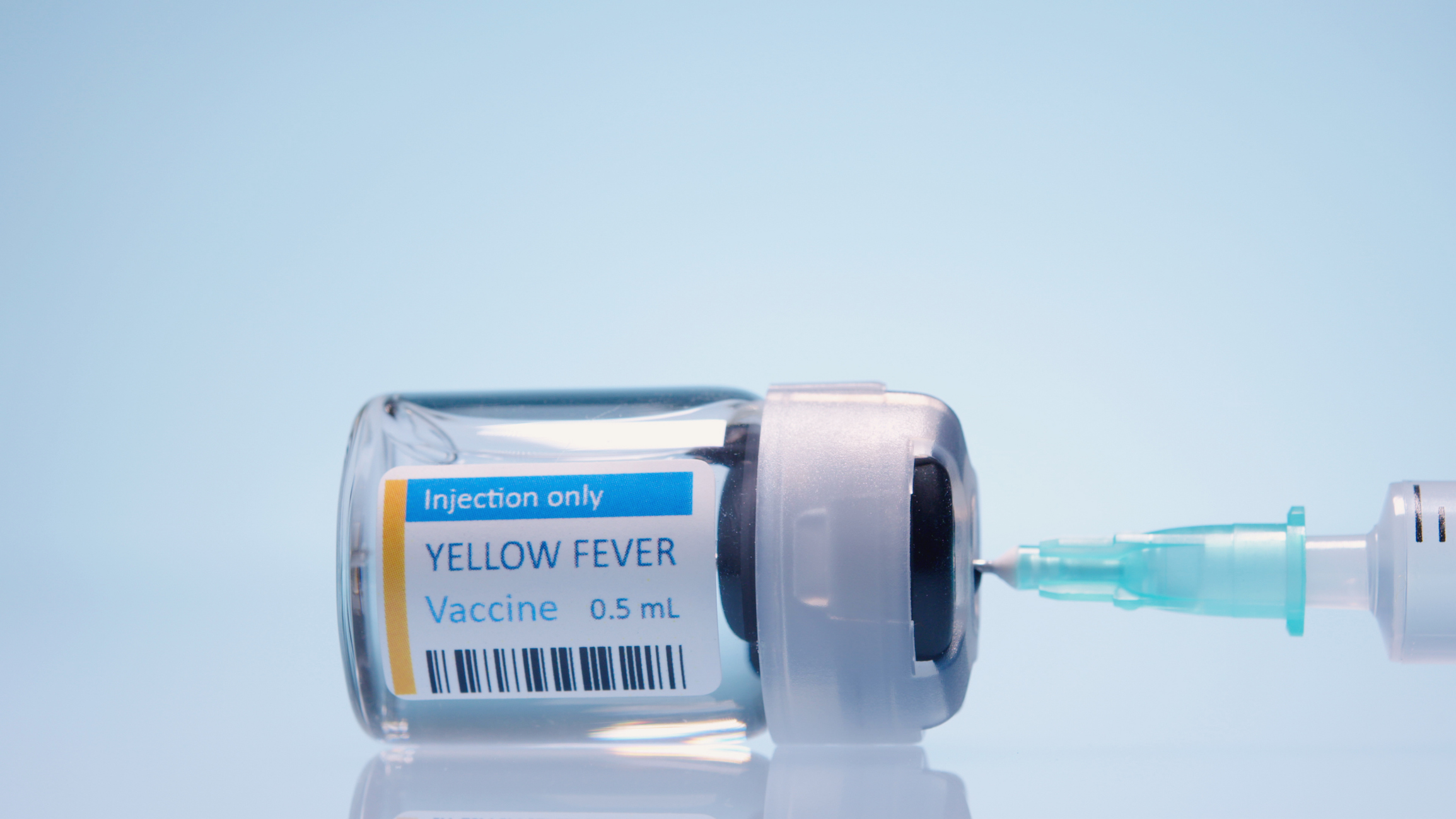
The yellow fever vaccine is one of the most common vaccinations you need when travelling. They are required only when travelling to an area with a risk of yellow fever, or if you’re stopping over somewhere with a high risk. This vaccination typically costs between £60-£85 It generally provides a lifelong protection for people. If, however, you’re pregnant, have a weakened immune system, are under 2, living with HIV or having a bone marrow transplant you may require a further dose. It’s important to check these conditions on the NHS website before travelling.
When should I book travel vaccinations?
Most countries that require vaccinations recommend having them at least two weeks before travelling. This is to give the vaccination time to take effect before you go. It’s important to note that if you have had the MMR vaccine, you need to wait at least four weeks before having the yellow fever vaccine.
Travel insurance and final check list
- Check the FCDO travel advice for the country you’re going to
- Check if your destination or any stop overs will require you to have specific vaccinations
- Look at the NHS website to book any necessary vaccines, at least two weeks before travelling
- Take out Travel Insurance as soon as you book your trip to ensure you have adequate cover the whole time
- Travel, with confidence!
Taking out travel insurance is essential for most destinations and gives peace of mind if you are taken ill abroad. It covers unexpected medical costs as well as costs incurred if you have to stay in hospital for a period of time. Get a quote for our Longstay & Gapyear policy today so you can plan your trip with peace of mind.


0 Comments